Featured

When did I Start Writing about Cows?

Agriculture for Dummies

I thought I needed an Agriculture for Dummies book for this class, but by the second week I know I can conquer it.

I am inadequately informed when it comes to Agriculture. Growing up in a small farming town one would think I would be knowledgeable or at least slightly interested in agriculture, but that is not the case.

I chose to take this class because, well, I didn’t have any other options. Originally thinking I was in a photography class, that I needed to take for my minor, I was cut from the waitlist and panic set it. I spent the next few hours scrambling to find something that would fit my schedule and complete a major requirement for me. Journalism 205 was about the only option, so here I am.

As we dive into week two I have realized a few things:

  • Agriculture Communications doesn’t mean I have to wear cowboy boots to class and spend hours studying farm animals.
  • This class is a great opportunity to further work on my journalism writing skills.

I am a little intimidated by my lack of agriculture knowledge in a class of mostly freshmen who, for the most part, know their Agriculture.

However, as time goes by my excitement, and interest in this class has already expanded. I’m realizing how important it is for me to expand my horizons, improve my writing abilities in all areas of journalism and hopefully learn a little something about where my food comes from.

So bring on this new adventure, into the unknown for me. I might be the only vegetarian in class, but hopefully, that won’t start any beef.
Swines for the Win

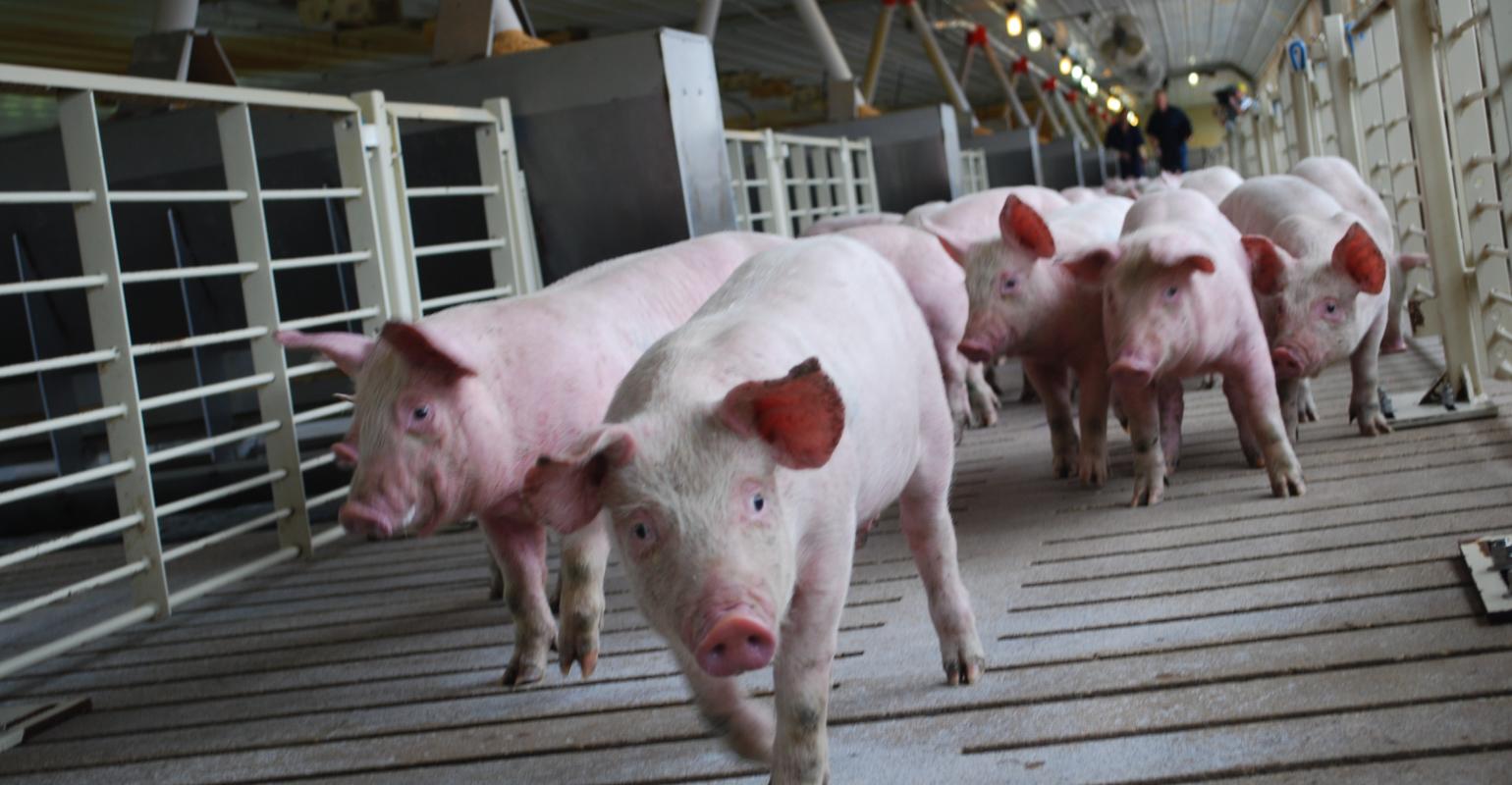
The Cal Poly Swine Unit is one of the many agriculture units at Cal Poly. There are many students involved in the unit including Madeline Costa. Costa, a third-year student, works in the swine unit and I got to sit down and chat with her about her experience with the unit and what the unit does on campus.

Costa is currently involved in the unit and has been for the past three years. “We raise show pigs to sell to people to raise and show at fairs all across the states.” The unit is constantly farrowing pigs [pigs giving birth] due to the fast gestation [pregnancy] period of three months, three weeks and three days, Costa explains.

The unit is extremely active due to the swine’s fast gestation periods. When discussing the process of farrowing, Costa shares some interesting facts about swine’s pregnancy and birth, “The swine has two horns, each carrying an individual sack full of piglets so they will birth one side and pass the horn and then proceed to birth the other.” Overall the pigs usually birth a litter of 3 to 16 pigs.

Along with farrowing happening pretty consistently at the unit, Costa discusses the units work in the insemination of the swine to produce quality swine offspring. She also touches on the units job of selling pigs to meat processing centers and giving those with medical disqualifications to the vet science students to do autopsies and figure out what happened to cause the medical issues.

Goodmorning

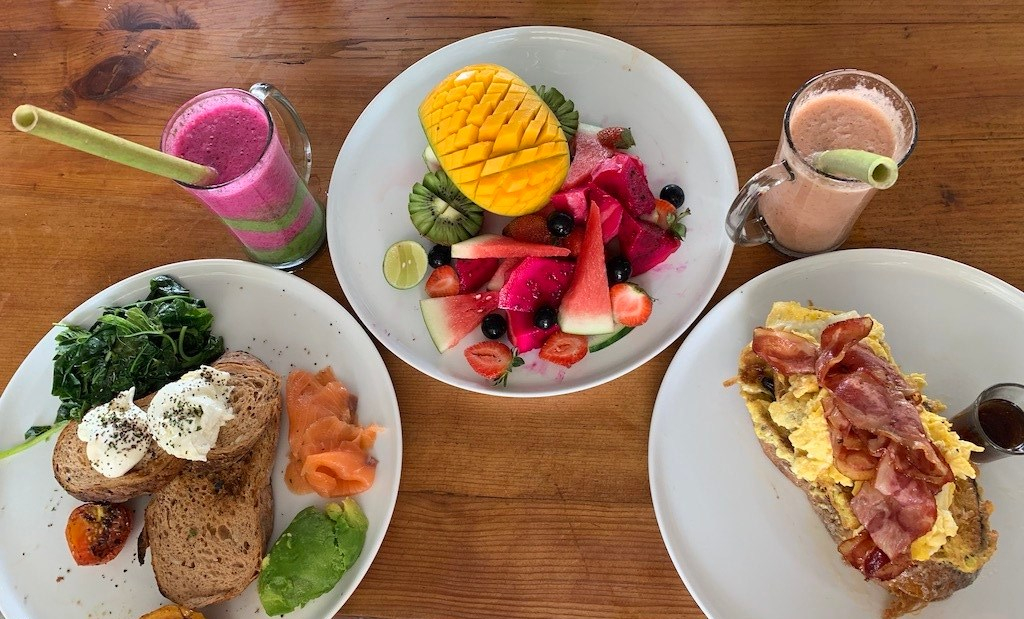
Good morning! Today I am going to tell you a little bit about my mornings, both when I am in a rush and when I get to take my time. Mornings can sometimes be my favorite time of the day but when I have an early class that is not always the case. When I wake up in the morning I, unfortunately, have to be met with my most hated sound… the alarm clock. While I don’t enjoy this song it gets me up and forces me to get out of bed and ready for another day on the town. Going through my morning routine I spend time brushing my teeth, getting my coffee, and getting dressed. I love my mornings and when I’m not rushed they usually go pretty slow and I spend ample amount of time relaxing in bed. I spend time reading, listening to podcasts, practicing my french, and make a big nice breakfast. However, in the mornings such as this when class awaits me I am up early and moving quickly. Breakfast is unfortunately usually compromised and my day is a bit more rushed. Today is an example of a rushed morning getting ready for class and shows the harsh reality of early mornings in my life. Here’s a little look into my rushed morning routine, enjoy!

A Midterm on an Empty Stomach

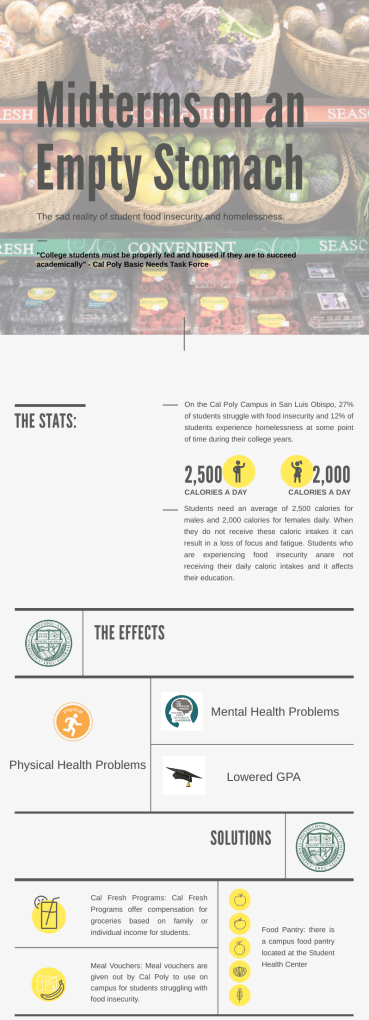
“College students must be properly fed and housed if they are to succeed academically” – Cal Poly Basic Needs Task Force

27% of Cal Poly students experience food insecurity and 12% experience homelessness during their college years.

These students report having worse physical and mental health along with and struggling to keep a high GPA. I think this is a startling statistic that many students, including myself, are surprised by because of how unaware many of us are to this topic on campus.

This statistic is really difficult to cope with because of the immediate relationship to our own lives, as college students. People, we are friends with, people in our classes or people we see roaming the lib are struggling to find enough meals to eat.

It’s devastating that any student should have to deal with such a difficult situation. College is hard enough and I can’t imagine how much more difficult food insecurity would make it. From not being able to focus because of hunger to having to figure out where to sleep that night when you should be studying for a midterm, this would play a huge toll on a full-time student.

“I would push myself to keep going and going and going,” says a student who struggles with food insecurity.

Although Cal Poly is a top agriculture school nationally and produces fresh produce and dairy products, we still have students who are unable to afford enough food for themselves.

Cal Poly has enacted programs to help students in these situations including the food pantry, Calfresh programs, and meal vouchers.

Although the school has developed action plans to help alleviate student food insecurity and homelessness, it still seems like there is more to be done.

I think because of our strong agriculture presence on campus there can be more initiatives to use that knowledge and availability to help solve the issue. The nutrition department uses these statistics to show students that the issue is there and it’s up to us, as the students, to do something about it.

Ag Makes the World Go Round

In the last four months of 2019, I spent time in three continents, 14 countries, and over 50 cities, many of which taught me something new about agriculture.

Although exploring the different agriculture businesses of the world was not on my to do list whilst backpacking across the globe, I was gladly surprised when learning about agriculture on a global level became apart of my experience.

As I spent time traveling I noticed that agriculture practices differed greatly from place to place. The contrast between processes across the planet was something I didn’t realize would catch my attention.

Coming from a background with little to no agricultural knowledge and experience, apart from an occasional attempt to grow herbs in a little pot by a window, I was pretty surprised when I was met with so much agricultural involvement while traveling abroad.

Between the countries I visited there were a few that caught my attention by providing new agricultural experiences. 

First up was France. Beyond spending time in cities such as Paris and Nice, I visited the French countryside. A road trip through the cities of Arles and Bayeux gave me a whole new experience with agriculture.

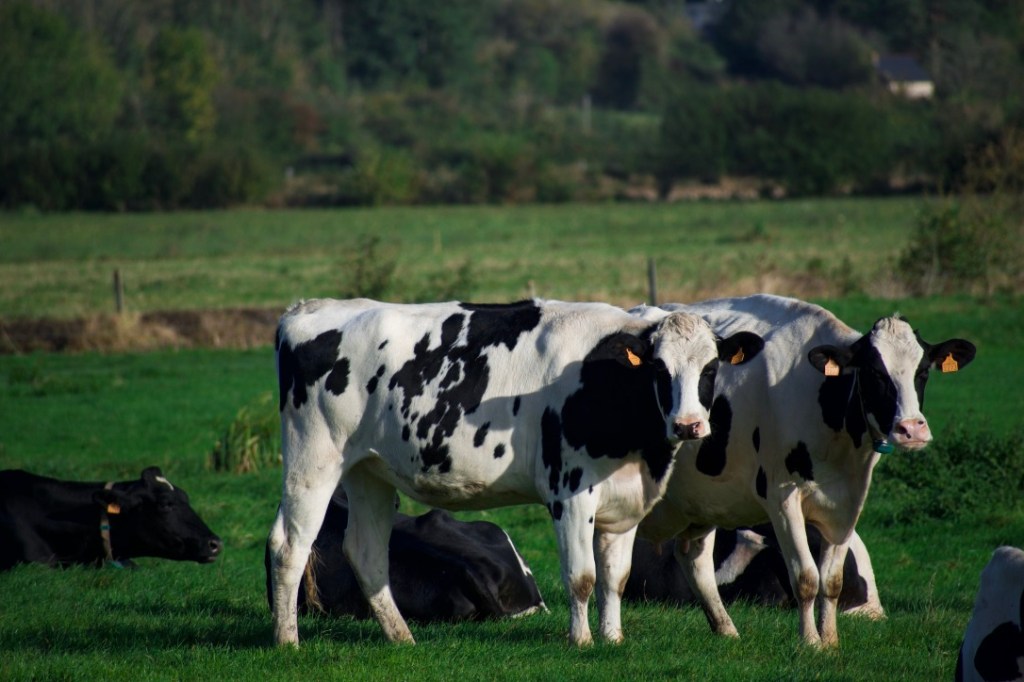
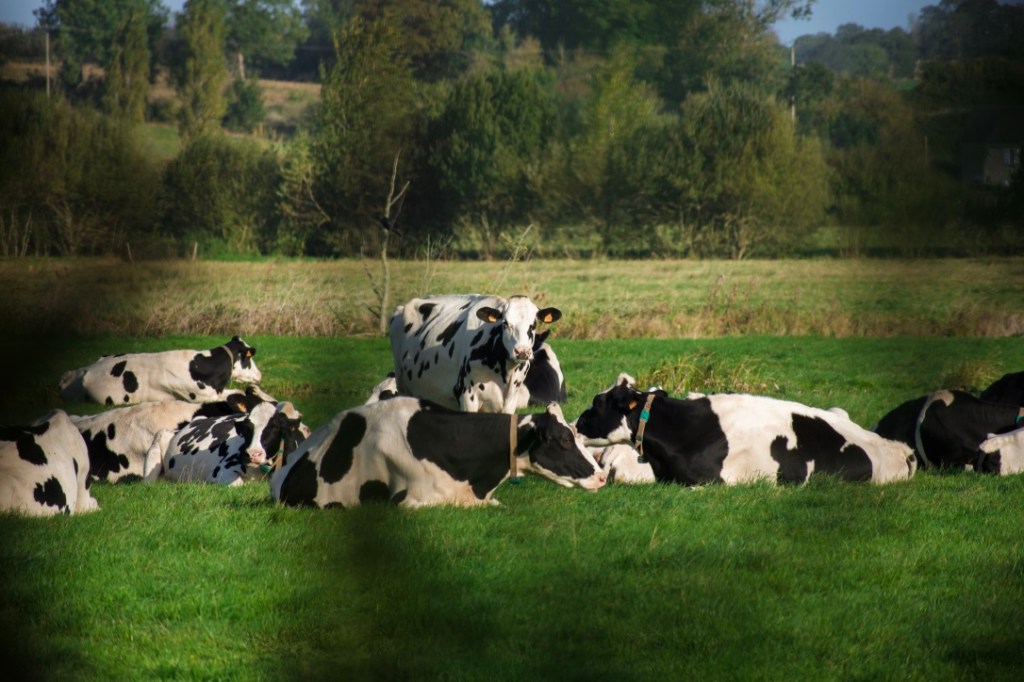
In these towns, we stayed in farmhouse bed-and-breakfasts. We got to milk the cows on the farm, churn butter, and learn so much about the French dairy process and how it differed to the practices in the United States. It was incredible and let me tell you the butter and cheese were better than anything I had tasted before. 

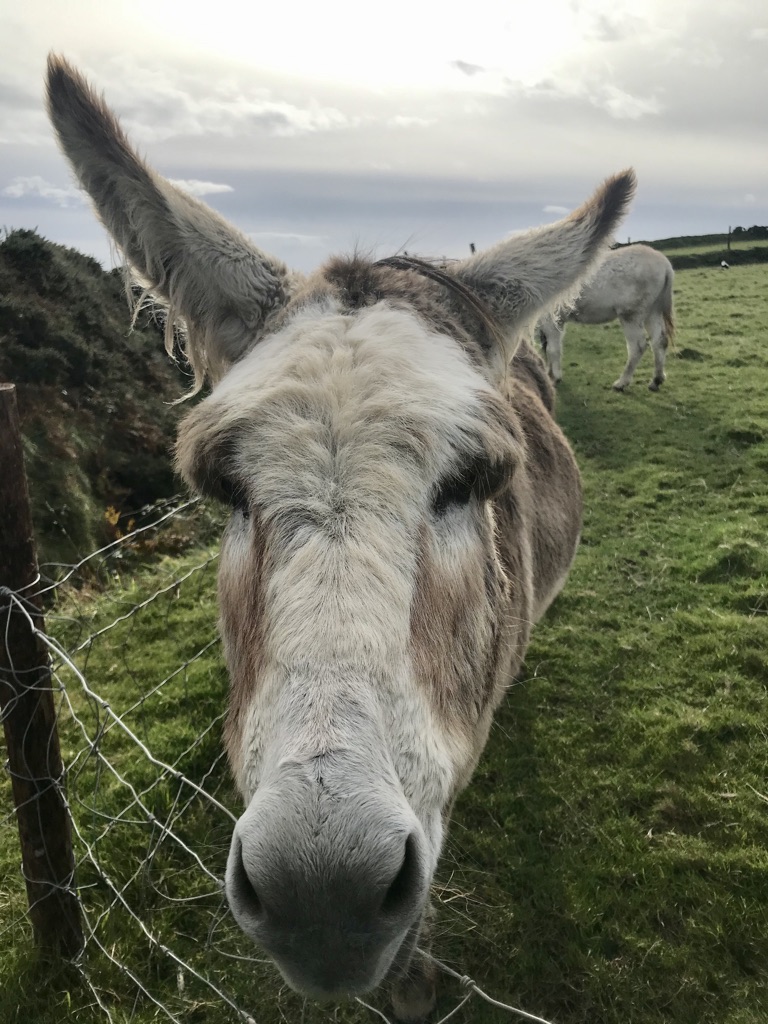
Along with the experience in France, my time in Ireland gave way to a lot of new agricultural experiences. We met with local farmers who made chocolate, goat’s milk, cheese and took care of all types of animals.

It was a magical experience and felt like I was stepping back in time to the days of vikings.

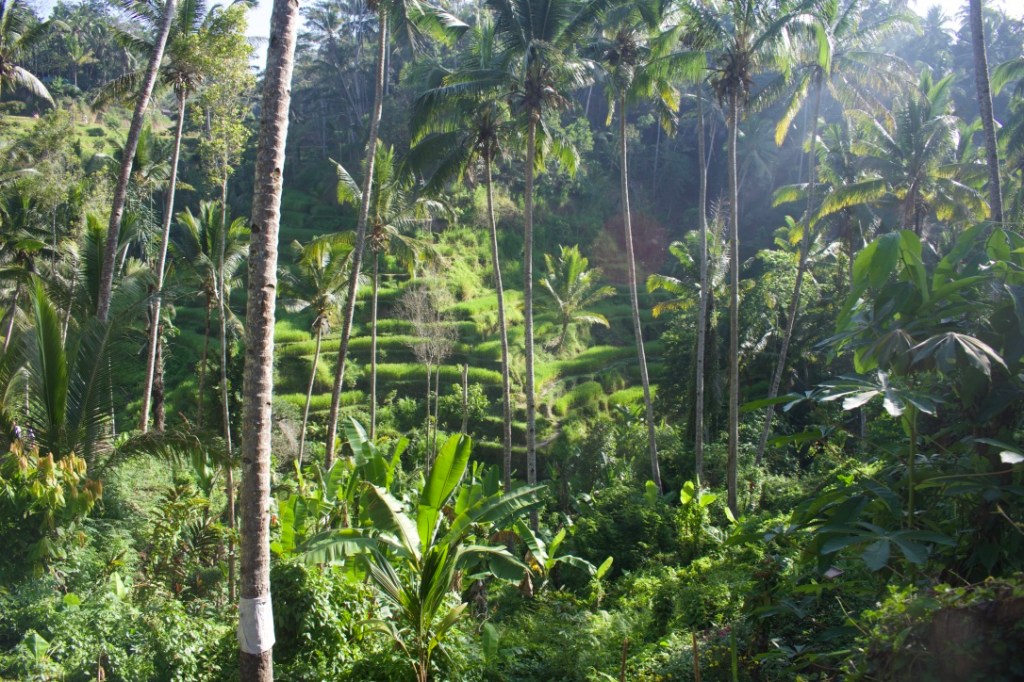
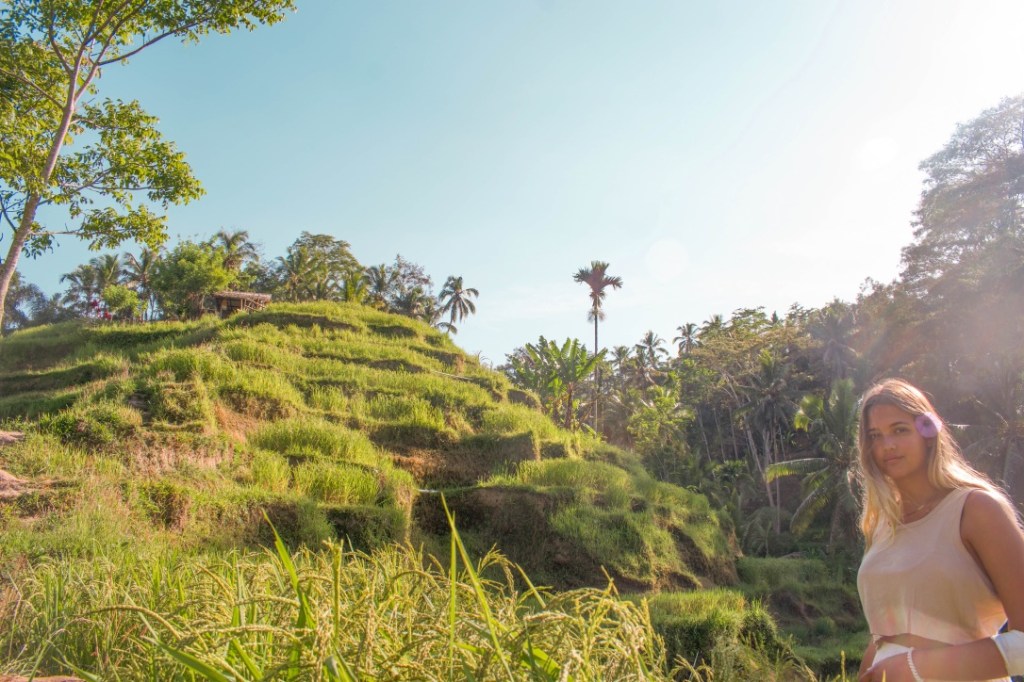
The last place that struck a chord agriculturally was Bali, Indonesia. This island was swarming with different foods and agricultural than anything I’ve ever seen. I had the privilege of meeting local farmers who worked in rice fields as well as grew a variety of tropical fruits.

Traveling is an experience that can cause personal growth, introduce one to new cultures, and for me gave a new light to the global business of agriculture.

Design a site like this with WordPress.com
Get started